
Starting a blog in 2026 is one of the most effective ways to build authority online, grow a personal brand, and create long-term income opportunities. Blogging has evolved into a structured digital discipline that combines writing, SEO, content strategy, and online marketing.
If you understand how to start a blog properly, you can build a platform that attracts consistent organic traffic and generates income over time.
This guide breaks down everything step by step—even if you have no technical experience.
1. What Blogging Means in 2026
Blogging in 2026 is the process of publishing structured, value-driven content that solves problems, builds authority, and attracts organic traffic from search engines like Google.
Modern blogging includes:
- SEO writing
- Keyword research
- Content strategy
- Audience building
- Monetization systems
A blog is no longer just a website—it is a digital asset.
2. Why Blogging Is Still Powerful
Blogging remains effective because:
- Search engines still rank written content
- Articles generate long-term organic traffic
- Content compounds over time
- Blogs build trust and authority
Unlike social media posts, blog content can continue generating traffic for years.
3. Choosing the Right Blog Niche
Your niche determines long-term success.
A strong niche should be:
- Specific
- Valuable
- Easy to create content for
- Focused on a clear audience
Examples:
- Blogging and SEO
- Digital skills and online income
- Freelancing and remote work
- AI tools and productivity
4. Selecting the Best Blogging Platform
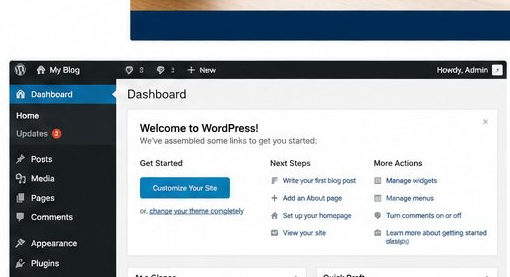
The most recommended platform for beginners is WordPress.
Why WordPress:
- Full control over your website
- SEO-friendly structure
- Highly scalable
- Professional ecosystem
Most successful blogs globally run on WordPress.
5. Getting a Domain Name
Your domain name represents your online identity.
Guidelines:
- Keep it short
- Avoid numbers
- Make it memorable
Example:
writerswebproduction.com
6. Setting Up Hosting and WordPress
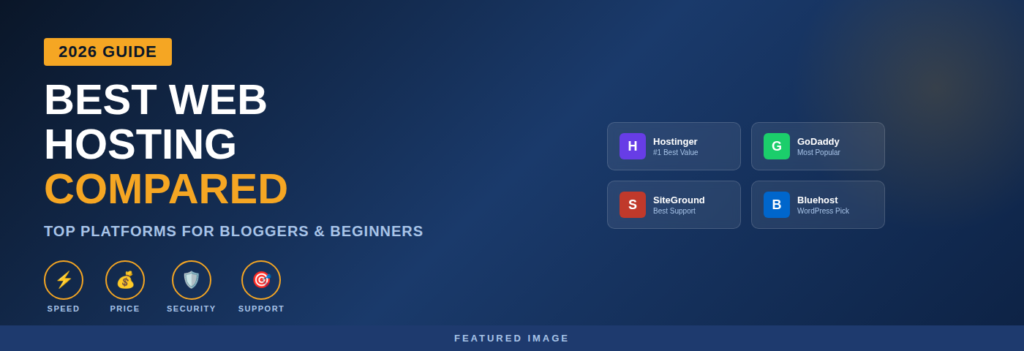
Hosting is what makes your blog accessible online.
Steps:
- Buy hosting
- Install WordPress
- Choose a theme
- Configure basic settings
At this stage, your blog becomes fully functional.
7. Designing Your Blog Professionally

Your blog design should be:
- Clean
- Mobile-friendly
- Fast-loading
- Easy to navigate
Avoid heavy layouts that slow performance or confuse readers.
. Creating Essential Pages
Every blog must include:
- About Page
- Contact Page
- Privacy Policy
Examples:
9. Writing Your First Blog Post
Your first article should:
- Solve a real problem
- Be easy to read
- Use clear structure
- Include keywords naturally
Focus on value, not perfection.
10. Understanding SEO for Bloggers
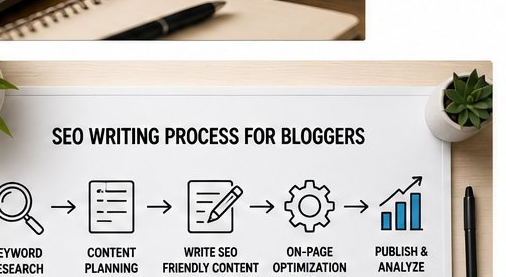
SEO (Search Engine Optimization) is what helps your content rank on Google.
Key principles:
- Use focus keywords naturally
- Structure headings properly
- Add internal links
- Optimize images
- Improve readability
SEO is the foundation of organic traffic growth.
11. Publishing Content Consistently
Consistency builds authority and trust.
Recommended:
- 1–3 posts per week
Regular publishing improves visibility and ranking potential.
12. Promoting Your Blog
Main traffic sources:
- SEO (organic search)
- Social media distribution
- Online communities
- Email marketing
Without promotion, even strong content struggles to grow.
13. How Bloggers Make Money
Common monetization methods:
- Affiliate marketing
- Sponsored content
- Digital products
- Freelance services
Income grows as traffic and authority increase.
14. Final Strategy for Long-Term Growth
To succeed in blogging:
- Focus on one niche
- Publish consistently
- Build internal linking structure
- Optimize SEO continuously
- Improve content quality over time